Wednesday, June 13, 2012

Diet Tips

Five Simple Food Rules to Lose Weight
By Angie Greenup | Summer Shape-Up – Wed, Jun 6, 2012 2:20 PM EDT

  
Celebrity trainer Bob Harper is here to discuss his new book The Skinny Rules, which shares his top tips for weight loss success from years of helping clients and contestants on The Biggest Loser. The book focuses on 20 "nonnegotiable principles for getting to thin" - and we've got five of them right here!

Rule: Drink a glass of water before every meal. Often when we think we're hungry, we're actually dehydrated. Drinking a glass of water can help curb cravings and will help you feel more full before eating.

Rule: Eat a real breakfast. Skipping breakfast doesn't help you lose weight! Eating first thing in the morning kick-starts your metabolism. Focus on getting fiber, complex carbohydrates, and protein- from sources like berries, oatmeal and yogurt- to help you feel satisfied longer.

Rule: Eat protein at every meal. Protein helps you feel fuller longer- Bob's top picks include fish, chicken, and grass-fed beef.

Rule: Make one day a week meatless. Try to incorporate plant-based protein sources, like black beans, lentils and garbanzo beans, into your diet. Setting a weekly routine encourages you to mix it up and try something new.

Rule: Eat your vegetables. Not only are they nutritious and high in fiber, you can eat as much as you want and you don't have to count calories (for most vegetables.) Find new spices and ways to prepare vegetables- Bob loves roasting- to bring out flavor.

Thursday, June 7, 2012

Urban Survival Tips for 2012...and beyond

How to Be a Couch Surfer

A couch surfer is someone who travels on a budget, utilizing a broad network of contacts in order to spend the least amount of money possible. You can join couch surfing-related websites and meet other people who are interested in traveling cheaply. Eliminate any stuffy hotels on your next trip, and get ready to couch surf.

Instructions

    • 1
      Join a couch-surfing website (see Resources below). You can create a profile, but be sure to provide enough information about yourself so that members can feel comfortable hosting you. Include photos and any friends or contacts you may already have in the network.
    • 2
      Participate in a discussion group. You can browse topics by interest and engage other couch surfers, and potential hosts, in Chat mode. Establishing common interests with other members is key to scoring yourself a place on their couch.
    • 3
      Decide on a destination. You can choose to spend all of your time in one location or arrive in one and leave from another. Once this is established, you can then browse thousands of member profiles, which are conveniently indexed by country.
    • 4
      Make contact. Explain to your potential hosts what your interests are, such as: museums, national monuments or the local pubs. Use the "Request to CouchSurf with..." button in order to provide detailed information.
    • 5
      Confirm your stay. Once you and your host(s) have agreed on the date(s) of your stay, you can purchase your tickets and rest assured in the knowledge that you now have a place to sleep.

Tips & Warnings

  • Visit couchsurfing.com for more specifics and details regarding how to use their network and service.
  • Clean up after yourself.
  • Ask your host about bedding. He or she usually agrees to provide sheets, pillows and blankets but it is best to never assume. In a worst case scenario, you may need to bring your own sleeping bag.
  • Give back to your host(s). You can do this by washing the dishes, making dinner or cleaning up.
  • Ask for a recommendation. Members want to feel safe, so positive feedback from past hosts can significantly increase your chances of finding your next couch to surf.
  • Host a couch surfer. If you've requested a couch surf and have received no offers, it may just be that you need some positive feedback on your profile first. This is an excellent way to build credibility with other members.
  • Never ask for a key. Remember that your host is placing a tremendous amount of trust in allowing you into their home. If your host chooses to, they can provide you with a key but expect to give them something in exchange, such as a passport or other identification.


Read more: How to Be a Couch Surfer | eHow.com http://www.ehow.com/how_2085877_be-couch-surfer.html#ixzz1x84dMGsJ

Tuesday, June 5, 2012

Aloha

10 things to do on Oahu for $10 or less

By Danielle Tumminio, Special to CNN
updated 8:56 AM EDT, Tue June 5, 2012
Climbing Diamond Head can be strenuous, but it only costs $1 for pedestrians to enter the park. Climbing Diamond Head can be strenuous, but it only costs $1 for pedestrians to enter the park.
HIDE CAPTION
Diamond Head
<<
<
1
2
3
4
5
>
>>
STORY HIGHLIGHTS
  • Oahu's public bus system is an economical way to get around
  • Check out the Aloha Stadium Swap Meet for good value on souvenirs
  • Shave ice and Japanese noodles are tasty, affordable snacks
(CNN) -- It's honeymooners' heaven and a surfer's dream. It's America's most remote capital and perhaps its most exotic. Home to hula skirts and palm trees and some of the world's most breathtaking beaches, Honolulu may well be a United States paradise.
But paradise isn't cheap.
The Hawaiian capital and the surrounding island of Oahu are among the most expensive places in the United States, and it can feel intimidating to find reasonably priced meals and activities as a budget-conscious tourist.
Luckily, there are some monetary oases within this American paradise that will bring a smile to the heart (and wallet) of travelers on a budget.
Take "TheBus." TheBus -- yes, it's actually called TheBus -- is Oahu's public transportation system, and it has stops throughout the island. One-way fares for adults are $2.50 and $1.25 for kids. (You can also get a four-day pass for $25.00 and a monthly pass for $60.00). TheBus is a great way to get around Oahu without busting the piggy bank on a rental car. Plus, because it's the driver's responsibility to worry about traffic, all tourists have to do is soak in the sights.
Taste Hawaiian cuisine. No trip to Oahu is complete without some native Hawaiian fare like kalua pork (smoked pork slow-cooked underground), lomi lomi salmon (fresh tomato and salmon salad), chicken long rice (chicken broth with glass noodles) and poi (mashed taro).
Haili's Hawaiian Foods -- winner of the Healthy Plate Lunch Contest run by Hawaii's Department of Health -- offers a variety of native Hawaiian dishes for under $10. The family-run restaurant has been in business since the 1950s, and the sisters who currently run it are happy to answer questions about dishes with an enthusiastic smile. Haili's Hawaiian Foods is a short 20-minute bus ride from Waikiki on the 13 bus; the restaurant is closed on Mondays.
To sample some of the best short ribs on the island, visit another family-run local favorite, Helena's Hawaiian Food, which has been around since 1946 and was featured on the Travel Channel's "Man v. Food." Expect a line. The B or 2 buses go to Helena's from Waikiki, and the ride takes about 40 minutes. It's also closed on Mondays.
Climb Diamond Head. Work off that Kalua pig by climbing Diamond Head crater. One of the most iconic sites on Oahu, it was formed about 300,000 years ago after a volcanic eruption. The trail to the summit was built in 1908 and used by the military to defend Oahu from invaders, but today, guests can climb it to see some of the most spectacular views of the island.
Trekkers should allow 1½-2 hours for the climb and should wear comfortable shoes. Some parts of the ascent can be strenuous, and near the summit, there is a 225-foot narrow tunnel; those suffering from claustrophobia should ask for the alternate route to the top. The walk to the base from Waikiki Beach takes about an hour. Diamond Head is also accessible via a short ride on the 22, 23 and 24 buses from Waikiki. Cost of admission is $1.00 for pedestrians.
Pick up souvenirs at the Aloha Stadium Swap Meet. Take the 20 or 42 bus from downtown Honolulu to the Aloha Stadium where a huge swap meet -- kind of like a flea market -- takes place Wednesdays, Saturdays and Sundays. Here, everything from macadamia nuts to Hawaiian shirts and local crafts to junk that residents are trying to unload from their attics are sold at prices well below what's to be found in Waikiki.
While some selling their wares at the swap meet are regular vendors offering deals on beach towels or souvenir magnets, be sure to check out locals selling used items on blankets near their cars, which may be more unique. Entrance to the swap meet is $1.00, and the best time to arrive is between 9 and 10 o'clock in the morning.
Visit Pearl Harbor. Don't miss the opportunity to pay your respects to those who died at Pearl Harbor on December 7, 1941. The mood is a somber, peaceful contrast to the frenetic activity of Waikiki, and the museum offers a unique opportunity to learn about the Pearl Harbor attack from personal accounts of people who were there. While there is a charge to tour some areas of Pearl Harbor, many of the most moving parts of this historic site are free.
There is no charge to visit the World War II Valor in the Pacific National Monument or to tour the USS Arizona. Note: Tours of the USS Arizona must be reserved. To reserve online there is a $1.50 reservation fee per ticket. It is not uncommon for tours to be booked solid several days in advance, though some tickets may be available up until noon on the same day of the tour. The 20, 40, 40A, 42 and 62 buses from Waikiki all make stops at Pearl Harbor; the ride takes about an hour.
Eat shave ice. No visit to Hawaii is complete without an afternoon shave ice. This Hawaiian treat is somewhat like a snow cone, only with smaller ice slivers that hold syrup better. For a really authentic incarnation of this treat, ask for a splash of Li Hing powder on top -- a kind of sweet and sour topping made from dried plums -- or condensed milk. Azuki beans (sweet red beans) and ice cream are also delicious accompaniments.
While it's sure to be delectable just about anywhere on the island, San Lorenzo Shave Ice in Haleiwa is particularly yummy. Expect to spend $4 to $6, depending on size, for your sugary treat.
Cheer as surfer dudes conquer the Banzai Pipeline. Oahu is a surfer's paradise and home to some of the most exhilarating -- and dangerous -- waves in the world. Here, it's not unusual to see daring surfers sliding underneath curling waves of the variety normally reserved for magazine covers and "Blue Crush." Surfers ride waves all day, though they're usually most impressive before 11 a.m. Located on the less developed north side of Oahu, the Pipeline is near the Mokule'ia Beach Park (coming up next). The 52 bus from Honolulu goes to the Pipeline; the ride takes a little over two hours. To get to Mokule'ia Beach Park from the Pipeline, take the 52 bus back toward Honolulu for approximately 15 minutes.
Get lost in awe at "Lost" locations. Most of the hit television series "Lost" was filmed on Oahu and fans can visit everywhere from the mental institution where Hurley lived to the home of the mysterious Smoke Monster. Many of these sites are free: For a quick infusion of "Lost" mystique, visit the Hawaii Convention Center in downtown Honolulu to see where the cast filmed scenes that supposedly took place in the Sydney Airport.
For the quintessential "Lost" experience, visit the site of the fictional Flight 815 crash. Mokule'ia Beach Park, the filming site for most of season one, is on the north shore of Oahu, and a great place to visit along with the Banzai Pipeline. The north side of Oahu is less developed as a tourist destination than the south side where Waikiki is, so it's not unusual for the beach to be empty (though don't be surprised to see a sea turtle napping on the shore).
Beware that the intense surf on Oahu's northern beaches often makes swimming dangerous, and no lifeguards are on duty. By bus, the trip to Mokule'ia Beach Park takes about 2 hours on the 52 line.
Tour the Dole Plantation. It opened as a fruit stand in 1950, but today, the Dole Plantation is a well-trodden tourist attraction that pays homage to one of the island's most iconic foods: the pineapple. Access to many parts of the Dole Plantation are free, including a garden where children can roam and see different varieties of pineapple growing.
For a bit more of a splurge, the Plantation Garden Tour is $5 for adults and $4.25 for children, and access to the world's largest maze -- complete with a pineapple at its center -- is $6 for adults and $4 for children. A ride aboard the 20-minute Pineapple Express train is a little steeper, costing $8 for adults and $6 for children. If the weather's hot, be sure to indulge in the world-famous pineapple frozen treat known as the DoleWhip before leaving ($4.25). To get to the Dole Plantation, take bus 8, 19, 20, 47 or 58 from Waikiki and transfer onto the 52 at Ala Moana Shopping Center; ride time is approximately 1 hour and 45 minutes.
Slurp some noodles. After a hard day of touring, a hearty meal is always needed. Marukame Udon, located right in Waikiki, is a Japanese cafeteria-style restaurant known for its homemade udon noodles -- a kind of thick, chewy spaghetti -- and the line out the door. Many of the noodle dishes cost under $5 and, for an extra splurge, individual pieces of tempura -- deep-fried shrimp or vegetables -- are available for about $1.50. (Note: Marukame Udon does not take credit cards). Don't be intimidated: The line moves quickly, and the food is worth standing outside for.

Love, true love...

Hugh Hefner and Ex-Fiance Crystal Harris are Together Again

Get the WebProNews Newsletter!
Hugh Hefner and Ex-Fiance Crystal Harris are Together Again
Hugh Hefner and Crystal Harris, the Playboy mogul’s ex-fiance who famously left him days before they were scheduled to tie the knot, are a couple once again. Although Hefner states that he may have dodged a bullet after Harris’ departure in 2010, the pair are officially dating. How did this particular piece of news come about, you ask? How do we know for sure that Hefner and Harris are back together? Twitter, of course! Here’s the tweet in question:

Yes @hughhefner and I are back together. Yes I am his #1 girl again. Yes we are happy. Hope that clears up any confusion! xo
3 days ago via Twitterrific · powered by @socialditto
 Reply  · Retweet  · Favorite
This, of course, is an entirely different song than the one Harris was singing shortly after their split. Following their break-up, Harris paid a visit to Howard Stern’s radio program, where she admitted to Sirius XM listeners across the country that sex with Hefner lasted two minutes. She later added that she wasn’t physically attracted to Hef, leading one to ponder the reasons why, exactly, the two have decided to rekindle their romance.
Harris, however, wasn’t the only one sharing stories with the media. Hefner was guilty of it, as well. The publisher went on record with Entertainment Weekly, stating, “Quite frankly, I don’t know what I was thinking about. I think my natural state is single. I’ve tried marriage twice, not successfully. These were not the happiest times of my life.”
If you find yourself pondering the reasons why the couple has reunited, then you’re not alone. Have a quick look at some Twitter reactions to the Hefner/Harris story below.

Getting back together with Crystal Harris shouldn’t be a big surprise, since I have a history of remaining close to former girlfriends.
4 days ago via Twitterrific · powered by @socialditto
 Reply  · Retweet  · Favorite

Hugh Hefner and his runaway bride, Crystal Harris, are back together. You can’t keep true love apart. And Crystal Harris’ true love is money
7 hours ago via Ping.fm · powered by @socialditto
 Reply  · Retweet  · Favorite

Hugh Hefner and ex-fiancee Crystal Harris are back together. What a relief. I was starting not to believe in gold-digging.
2 days ago via Favstar.FM · powered by @socialditto
 Reply  · Retweet  · Favorite

Hugh Hefner, 85, reconciled with his runaway bride, Crystal Harris, who is 25. Not because she’s a gold digger. More like a grave digger.
22 hours ago via web · powered by @socialditto
 Reply  · Retweet  · Favorite

Congratulations to Hugh Hefner on Crystal Harris running out of money
2 days ago via Echofon · powered by @socialditto
 Reply  · Retweet  · Favorite

Wednesday, May 30, 2012

Citizen Journalist


As Seen on TV: Citizen Journalism Worthy of Your Local News
When news happens are you ready to record it? Used to be, just traditional professional news jockeys got the story on the air. Now anyone with a camcorder can cover news as it happens...
Your local newsman implores you to do it; the morning anchor asks you to share your special moments with her on Facebook; the weatherman isn't just calling for severe weather, he wants to see your best tornado footage. The local media has become increasingly reliant upon its viewing audience to help tell the stories of the day. The only question is: will you be ready to roll when news breaks?
The news cycle has evolved into an around-the-clock intake process for media outlets. With the prevalence of affordable camcorders, smartphones equipped with HD video capabilities and mobile access from coast to coast and across the globe, regular citizens can share their stories - in real-time - with a content-hungry online audience.
But just because nearly everyone has access to video technology, does that mean they should be considered potential citizen journalists? What exactly is citizen journalism? What are ways the average Joe can shoot like a pro? And what exactly is considered "film at 11" material? Videomaker talked with some seasoned shooters to find out how anyone can improve their chances of getting their footage seen by the masses.
The Glory Days of Storytellers
Storytellers come in all shapes, sizes and ages. From grandpa retelling the battles of his times served overseas, to the toddler telling the tale of adventures at preschool, how we craft and deliver a message is limited only by our own imaginations. Citizen journalism could be interpreted the same way.
For decades, a credentialed TV film crew was held in very high esteem. Their skill set was unique, requiring the finest education and experience. While anchors and reporters were the faces of newscasts from sea to shining sea, there was an elite force of behind-the-scenes laborers who made the talent look their best. Television production professionals rarely got the credit they were due, but true skill shone through every night with featured stories, scheduled events and during the most important times of the year for broadcast outlets - sweeps. It was the amazing visuals, captured by the best of the best photojournalists, punctuated with the emotional elements edited with just the right copy writing that usually elevated media outlets to the top of the ratings food chain, feasting on the viewers insatiable desire for good stories.
But the glory days of broadcast news have been forced to give way to less glitz, slashed staffs and an approach where quality has conceded to quickness and quantity, where story count is more important than story content.

The Times, They Are a-Changin'
Twenty years ago, Kevin Kjergaard was a wide-eyed novice news photographer. He started working at KELO-TV in Sioux Falls, S.D. , as a way to get his hands on the latest video equipment. He covered all sorts of stories, and met people from all walks of life. When news broke in South Dakota, there was a lot of real estate that needed covering. From his perspective, covering everything with one camera was great - but there was always the need for more.
"I remember when major events would happen and we'd think how cool it would be to have had a camera there," said Kjergaard, now Chief Photographer at the CBS affiliate. "Now, we do. Technology has made gathering news and images so quick."
Keith Yaskin, owner of The Flip Side, a media and video production company, once roamed the deserts of Phoenix covering news as a reporter and videographer. With more than 17 years of professional experience under his belt, he has seen just about every kind of story you can imagine. With the changing landscape of broadcast news, he's seen a shift in attitudes in the way news stories are covered.
"It seems like much of broadcast TV is just tossing darts and seeing what stuck," Yaskin noted. "With the audience craving social media content, viewers would rather watch their favorites shows on their DVRs than watch the 5p.m. news with stories that aren't interesting."
"Some of broadcast TV is adapting to viewers habits, finding their niche in this new landscape, while other station managers are like the guy about a century ago trying to sell a horse to someone who just bought a car."
What is a Citizen Journalist
With the expansion of social media being an acceptable form of news gathering, media outlets have leaned more heavily on user-generated content to deliver not only timely updates from breaking news events, but to offer first-person perspectives of topical moments in our lives. Anyone armed with a camcorder - or cell phone for that matter - can deliver real-time content to anyone willing to watch.
CNN is a global news outlet that routinely incorporates footage submitted by viewers. Whether it's cell phone footage, or pocket cam video, if it captures news happening and the chaos or reaction that follows, they want it. The global news network started it's iReport program back in 2006 and has seen contributions grow substantially since launch.
Many major network news outlets have followed CNN's suit. FOX News has its uReport, MSNBC encourages viewers to submit photos and videos via e-mail and social media, while ABC News has its i-CAUGHT franchise. Contributors typically grant the networks the authority to use their content, and the fine print eliminates the chance for monetary remuneration. For most, however, simply sharing their perspectives to historical moments is compelling enough reason to submit their footage.
News doesn't dictate when or if it's going to break. How it's captured depends on who's around to capture it. Armed with few of these simple suggestions, you can be prepared to stand in as "TV Crew On the Spot" and get your proverbial 15 minutes of fame, thanks to content that rocks.
Red Light Realities
We live in a 'looky loo' society: when there's a car crash, we slow down and take in the scene; if there's a house on fire, we'll stop and watch; if a storm is approaching, our instincts have become such that we stand and ingest instead of seeking shelter. Blame the media, blame an egocentric 'Nothing bad will happen to me' psychology of society, blame the president...whatever the ridiculous reason, a majority of the global population tends to absorb the realities of the moment, instead of turning away from them.
Either we've become so immune to tragedy and destruction that we've been rewired into thinking it's okay to look, or we just have become so desensitized to it that we aren't affected by it. Whatever the reason, there's a good chance that at some point in your life, you will be witness to some form of breaking news. Be it a hit-and-run, or impromptu tight-rope act, you'll need to be ready. With these tips, you will be.
  • Stay Energized - Much like the persistent pink bunny pounding on its drum, it's important that your camera - be it a cell phone or high-end professional camcorder - has enough juice to capture the scene. Never leave home without a fully charged battery, or make sure you have a car charger or backup power source. Spare batteries are generally easy to find, and really make your life easier when you can also acquire a standalone charger.
  • Respect the Scene - In the moments following an accident or serious news event, the crush of activity and panic will reach extreme levels. If emergency responders aren't on scene, assess the situation and respond accordingly. No one needs to rescue you trying to play hero, nor should you get in the way of those who are, so use common sense. A medical emergency may require your first aid knowledge or director experience to ensure that help is one the way.
  • Safely Get As Close As Possible - "Video does not 'zoom' well after it's been shot," said Sean D. Elliot, president of the National Press Photographers Association. "If you can safely and legally get closer to what you are documenting, do so. The less zooming you do with the camera, the easier it will be to steady your shot." However, if an official tells you to back away from a scene, respect their commands - or you could make news of your own.
  • Stabilize Your Shot - "Keep your camera steady," Yaskin said. "If you have a tripod, great; if not, lean or prop your camera against something. Don't wave your arm back and forth like a windshield wiper. This way, if there are several people shooting the same event, your video has the highest chance of getting picked up."
  • Composure While Composing - If the scene you're shooting involves lots of action - fire, gunshots, severe weather, fast moving action - the temptation to get 'everything' will make your heart race. By maintaining the basic fundamentals of composition: steady shot, good framing, clear images, sequential shooting, variety of shots - you'll be sure to capture everything the viewers at home will need to follow the story.
  • Talk to Witnesses - "TV film crews are desperate for eyewitnesses," said Yaskin, who worked on both sides of the camera. "Walk up to people at the scene and ask them questions. People tend to talk first, without asking who you are." You'll have your answers that way, then get their permission for inclusion in your completed video. Follow good TV interview techniques and keep the number of questions to a minimum. Often times, the more witnesses you find, the closer you are to reporting a more factual story.
  • News Desks on Speed Dial - Having contacts who you can rely on to take your footage will go a long way towards getting your footage aired. "Instead of just saying, 'Here's your news for the day,' we work with our viewers," said Kjergaard, who says KELO-TV viewers engage with the outlet because the TV video production staff embraces citizen journalism. "We let them become part of the team, they feel it. They want to be a part of something that so many people take to heart."
  • Release It to the Masses - If your content is compelling enough, a broadcast outlet can give it international television distribution. With affiliates and wire services, like the Associated Press, Reuters and CNN's Pathfire feed, video can be sent across oceans and borders instantly, where TV film crew decision makers will ultimately pick it up and run it during a newscast.
Videomaker's managing editor, Jennifer O'Rourke was a news shooter during the glory days of broadcast TV. Working at several California stations for two decades, she says she had an uncanny sixth sense about being at the right place at the right time when events unfolded - in fact, many of you may have seen some of her footage at one time or another.
"I covered many actions that no other news crew caught which elevated my footage right away to national and international broadcast," she says. "The key is keeping your wits about you, staying emotionally focused on the tasks of good framing, proper coverage and illustrating the event correctly; and being very alert and aware of what is going on all around you, not just where your camera is focused." O'Rourke adds that if consumer cameras captured those same events back then, the footage would have had to be extremely unique, because the camcorder quality was so poor. "But now, anyone with a small digital camcorder who captures clean, focused and stable footage can get their work seen on TV," she says, "It's a wonderful way of democratizing a once elitists-only world."
Content Comes Before Quality
As a citizen journalist, it's hard to travel with television production gear, let alone afford shooting with it. Your handheld camcorder or smartphone - whether it shoots SD, HD or 3D - will generally be accepted if it captures the moment. Producers and editors will want visuals that are compelling, captivating and emotive. Don't worry about not having the best equipment, just focus on how to use a camcorder in a way that will help paint a picture of what you've just witnessed.
Additionally, there are some rules and regulations that could impact how to shoot videos. According to both the Federal Communications Commission (FCC) and the American Civil Liberties Union (ACLU), which outlines citizen journalist rights, videographers are legally allowed to shoot photos and videos at crime and accident scenes, as long as it doesn't interfere with the work of law enforcement officials.
FCC rules state that citizen journalists and TV film crew alike cannot break any other laws while shooting video - if you are standing on private property, and the landowner asks you to leave, you need to leave. You can (and just might) be arrested for trespassing. Business owners may also interact with you in this territory since their image is like that of a public figure, and they won't want to be misconstrued. However, at no time can law enforcement officials take your camera, unless they have a warrant, or you've broken - or are in the act of breaking - a law.
Additionally, the ACLU points out that producers will want to check their state wiretapping laws if they plan to use the audio portion of their video. These laws vary from state to state, so educate yourself before pressing record. It is not an easy read by any means, but it does refer to eavesdropping and may come into play for your footage. The table in this link www.videomaker.com/r/605 shows whether photos or video is included for your state.
"Know when to back down, regardless of your legal rights," added Elliot. "Your video won't do you any good if the camera is in the impound and you're in the lockup. Don't get yourself arrested if you can avoid it."

Film at 11, Notoriety for You

What makes good "made for TV" video? There's an industry saying: "If it bleeds, it leads." However, as Kjergaard noted from his two decades of telling stories across South Dakota, it's not always the flashing lights that capture the viewers' attention.
"Good content is the unexpected. What happens right before, what happens immediately after, how people respond, expressions, body language," Kjergaard said. "I think that tragedy is always the best content. Good things happen everyday that people just take for granted. Challenge yourself to share those moments as well."
And while chasing ambulances may get your story on the news, sometimes it's the reaction to the story that generates the most interest.
"Build a relationship" with local television production staff, Yaskin added. "Communicate with them about life's everyday things. Don't be a salesperson (with your video). Be a person. Prove that you understand the difference between what's newsworthy and what's nonsense."

Tuesday, May 15, 2012

Breaking up is hard to do...maybe not.


How to Quit Facebook Without Losing the Best Facebook Features

Here are a few free and easy-to-use alternative services that can help you stay social after quitting Facebook.

How to Quit Facebook Without Losing the Best Facebook FeaturesAlmost everyone uses Facebook, but almost everyone agrees that the social network has quite a few problems. Chances are, most Facebook users have encountered some feature or flaw--from overarching privacy concerns to assorted interface annoyances--that made them reconsider their membership in the social network. Nevertheless, Facebook users tend to stick around because they believe that the benefits outweigh the costs--and because they don't know how to leave the service without losing a few valuable features, such as games or public photo albums.
Luckily, you can export or replicate many of Facebook's most useful features with ease, so you can quit Facebook without losing what you love about it. If Facebook is your all-in-one stop for socializing online, you're probably better off staying with the service and hoping that the company fixes a few issues in the next redesign. But if you're hanging on for the sake of just one or two features even though you'd rather quit, take a look at the following tips and tricks. With some help, you'll be able to enjoy the best parts of the most popular social network without all of that Facebook anxiety.

Export Info From Facebook

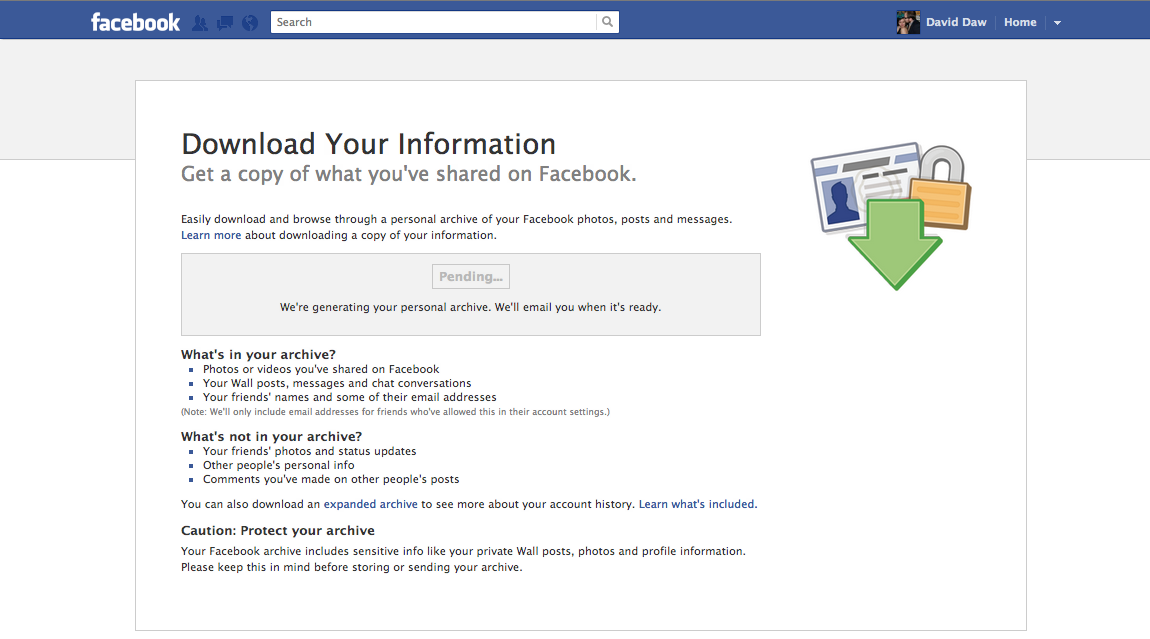
If you quit Facebook, all your personal data should be deleted from the Facebook servers. Eventually. But if you want to leave Facebook without losing any of your data, you can download a copy of your Facebook information fairly easily. Simply navigate to your Facebook account settings, and you should should see a Download a copy of your Facebook data link at the bottom of the page. Click the link, and confirm that you'd like to have an archive created for you; Facebook will send a download link to your email address in a few hours when your archive is prepared.
How to Quit Facebook Without Losing the Best Facebook FeaturesIn the General Account Settings menu, you can find an option to download a copy of all the data you've shared on Facebook.
Several mobile apps (such as the free SmartSync for iOS or AddressBook for Android) will scrape your Facebook friends info and automatically add it to your smartphone contacts database, as well.
Even so, Facebook offers far more information on you and your friends than you'll ever really need, and it's better to be selective about what data you take when you leave. Think of it as an opportunity to do some spring cleaning. Unless you really want your whole Facebook friends list clogging up your phone, do a quick manual review of your friend info and copy any pertinent information before shutting your account down.
Another trick lets you copy one of Facebook's most used and least appreciated features: the birthday reminder. Navigate to your Facebook Events page and click the magnifying glass icon. Select Birthdays, click the magnifying glass again, and choose Export Birthdays to quickly and easily grab your contacts' birthday info in formats compatible with every major scheduling program. This way, you'll remember to drop your best friend from college a birthday note even after you leave Facebook.

Organize Events

I've kept Facebook around for years because, despite its many faults, it has been the single best way to schedule parties and other events with my friends. That's starting to change, however. In the past, Facebook was a superior event-planning platform because users were sure to check it often enough to catch event invites; with the rise of event spamming, though, more and more of my Facebook-using pals now ignore all Facebook event invitations. This problem forces me to confirm through other channels, removing Facebook's one real advantage over other event-planning tools.
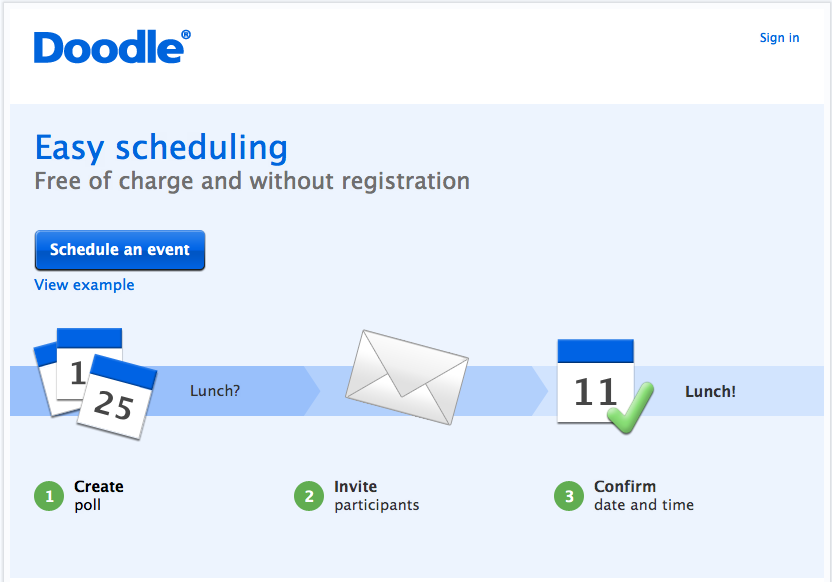
If you want to invite people to your event without using Facebook, you can find a lot of options, such as Evite and Eventbrite, that are free and work well. I'm a fan of Doodle, which uses a simple, clean interface and is incredibly quick to set up. Just enter an event name and time, and Doodle will provide you with a link that you can send to your friends by email; they can then RSVP with one click.
How to Quit Facebook Without Losing the Best Facebook FeaturesThe free and easy-to-use Doodle event-planning service is as good as (and in some ways better than) Facebook's Events app.
Doodle also offers a killer feature that Facebook doesn't: Doodle events allow participants to choose a start time from a list of host-provided options. This feature can save a lot of time, and it eliminates irritating auto-updates like the kind you get when you're trying to coordinate event timing via Facebook.

Move Your Photos off Facebook

If you download your data from Facebook as described earlier, that archive will include any photos or videos you shared on Facebook. To start sharing them again, as well as to have the same quick online access without Facebook, you can transfer those photos to Google's photo-sharing service Picasa.
Unfortunately, Facebook makes it all but impossible to export photo and video files directly to other hosting services. The easiest way to migrate photos over to Picasa is to download Move Your Photos, a Chrome extension that, once installed, will show you thumbnails of all your Facebook photos so that you can easily sort through them and transfer the ones you want to keep over to Google's photo-sharing service. If you want to transfer your Facebook photos to a social-network-agnostic photo-sharing site such as Flickr, you must manually download the photos to your hard drive and upload them directly to Flickr.
How to Quit Facebook Without Losing the Best Facebook FeaturesIf you use Chrome, the Move Your Photos extension offers an easy way to migrate your Facebook photos over to Picasa selectively.
Of course, you can't replicate every Facebook feature without an account. (Sadly, a life without Facebook seems to mean a life without FarmVille; if you're a social games addict, check out a few social games on Google+.) On the bright side, moving your personal info, photos, and event calendar to a better, safer service should make quitting Facebook much simpler. Good luck!